Built to hold.
We design and build software for government, energy and critical operations, and we run our own solutions, including SamyakSeva and Sampreshan.
- Tatvarth Systems LLP
- LLPIN ACZ-0405
- Registered in Maharashtra, India
We build software that has to keep working on the day something goes wrong.
Most software works on a good day. Ours is designed around the bad one: a malformed input, a dropped link, a night shift where someone has to trust what the screen says. That is the standard we hold every project and every solution to.

We build the systems operations run on.
Four kinds of work, each ending in software that someone relies on during their shift.
Custom systems
Operator-facing applications and the services behind them, built to the domain rather than adapted from a template.
Integration
Getting systems that were never designed to talk to each other to exchange the right data reliably, with a record of what moved and when.
Data and observability
Pipelines, dashboards, and alerting that tell the people on duty the truth about what the system is doing.
Modernisation and support
Taking systems that still work but can no longer be changed safely, and making them changeable. We can stay on to run them afterwards.
Software we build and run ourselves.
Alongside client work, we build solutions for specific operations and look after them for the long term. Each one is held to the same standard as our engagements.
Structure before speed.
Every system starts with a plain question: what has to hold, what is it holding against, and what happens when something gives? We settle that before writing code.
Depth
We find the real problem before we build. It takes longer at the start and costs less overall.
Reliability
We design for failure before features: what happens when the input is wrong, the link drops or the operator is guessing.
Rigour across range
The same standard for a two-week integration and for a system you will run for a decade.
Long-term
Systems outlive the people who wrote them. We write for whoever inherits them, and we are still here when they do.
Careful engineering, whatever the domain.
We follow principles, not verticals. What we learn hardening one domain carries into the next.
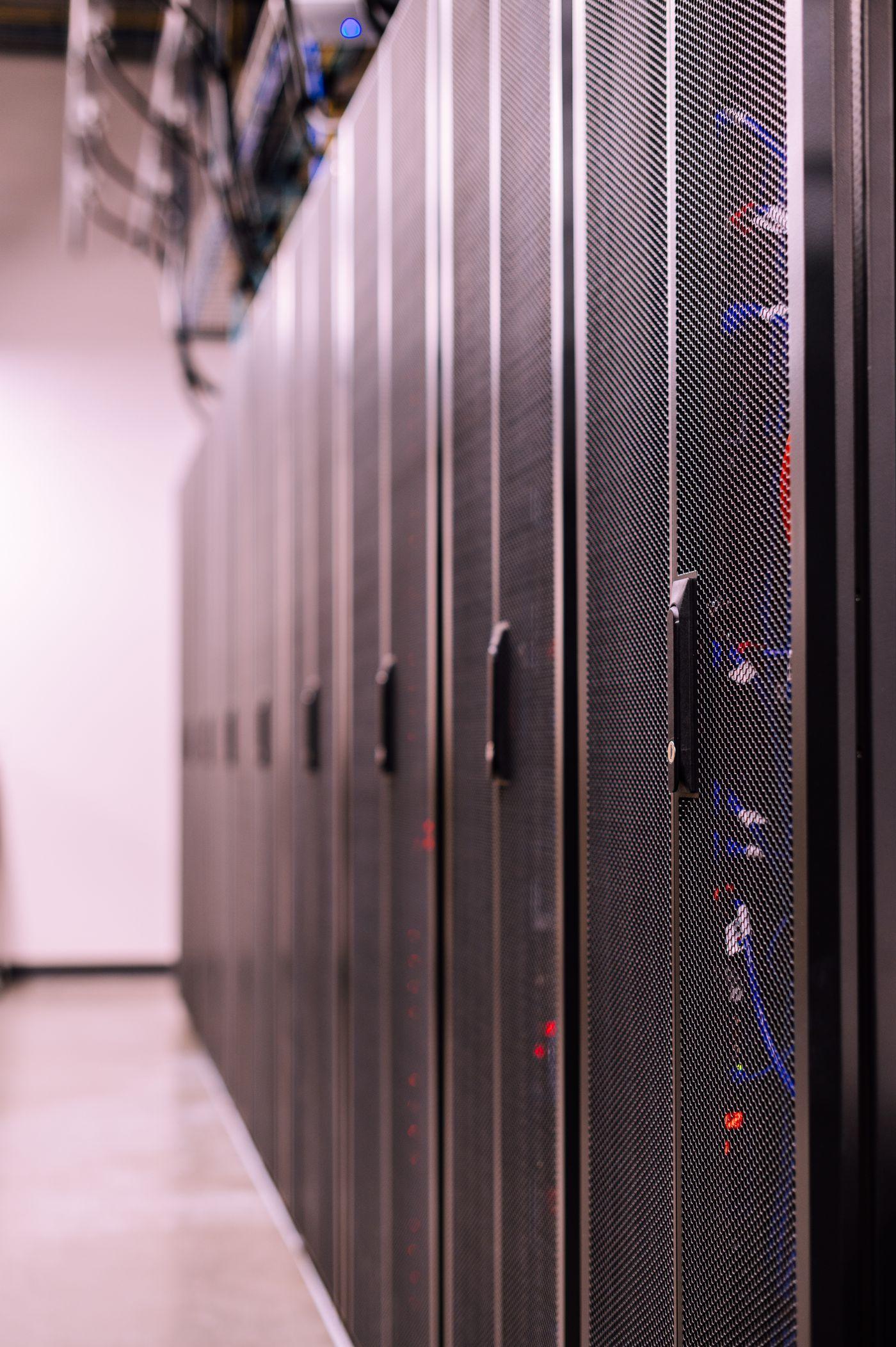
Government
Public systems where the audit trail matters as much as the output.
Energy
Plant and grid operations, where software sits next to equipment that is expensive to break.
Critical operations
Utilities, logistics, industrial and healthcare, anywhere the work stops when the system does.
How an engagement runs.
Whatever the size of the work, it follows the same few steps, so you know what to expect from the first call.
- Discover
Understand the problem.
A short, free conversation, then a scoped discovery. We write down what the system must do, what it must never do, and what success looks like.
- Build
A bounded first engagement.
Fixed scope and a price agreed up front, delivered in small releases you can see and test as we go.
- Hand over
You own the result.
Source, documentation and IP are yours on delivery, with a walkthrough for the people who will inherit it.
- Support
Stay on if you want us to.
Run, monitor and improve the system under a support agreement, or take it fully in-house. Both are fine.
What we put in writing.
Before any work starts, these are the terms we agree to. They are not aspirations. They apply from the first engagement.
Scope before code
We don't quote until we understand the problem. If the work shouldn't be built, we say so before you have paid for it.
The first engagement is bounded
Fixed scope, priced up front, and small enough that you can judge us on it before committing to anything larger.
You own the work
Source and IP pass to you on delivery. No licensed runtime and no lock-in.
NDA before disclosure
We sign before you share. Ours is mutual and standard, or we'll work under yours.
You talk to the engineers
There is no account layer between you and the work. The people building your system answer your questions.
We decline what we can't do well
Saying no early costs us a project. Saying yes wrongly would cost you a system.
- Legal entity
- Tatvarth Systems LLP
- LLPIN
- ACZ-0405
- GSTIN
- 27ABAFT2739A1ZH
- Udyam registration
- UDYAM-MH-05-0127446
- Registered in
- Maharashtra, India

Tatvarth comes from Tattvārtha, the true nature of things. Find what is actually happening before deciding what to build. The company is named after the method.

Tell us what has to hold.
Bring the problem, not a specification. What the operation does, what it must never get wrong and what is failing today is enough for a first conversation.
 Tatvarth Systems